by Siri Loken, MD

Intern year is notorious for its steep learning curve. Although I had passed two out of the three major medical licensure exams and spent the better part of two years traversing hospitals and clinics everywhere from the OR to the radiology reading room, when I finished medical school I had only experienced a small fraction of the physician’s job. I had never written a prescription, ordered a lab test, definitively fielded questions from nursing staff, or carried more than 4 patients at time. More narrowly, I didn’t know the institution specific policies of my hospital or how to work the EHR. During my first week of adult inpatient medicine as an intern, I was inundated by the practical, matter of fact aspects of medicine that I had been shielded from as a medical student. During rounds, when I proposed a plan for community acquired pneumonia or suggested a patient needed IV fluids it wasn’t enough to know which antibiotics or choose between lactated ringers and normal saline. I was forced to confront a set of logistical questions with every proposed intervention: dosage, route, frequency, start time, and duration. After making the plan, even more difficult was making it come to life – correctly inputting the order into the EHR and communicating with the nurse to be sure the intended outcome was actually executed. Throughout our presentations, we were frequently interrupted by other team members entering the workroom – nurses reporting critical lab values, pharmacists clarifying orders, the telemetry tech announcing a troublesome heart rhythm – all requesting prompt answers from the physician caring for the patient in question. Shockingly, they were often looking at me for a response. Overwhelmed by all the new responsibilities, I felt the constant, nagging fear of making a mistake.
On my second morning, I listened intently to sign out on a new patient on my list who had been admitted overnight: a man in his late 80s with dementia who presented jaundiced and septic due to a recurrent biliary obstruction of unclear cause as well as a COVID-19 infection. The patient had been stabilized with fluids and empiric antibiotics. From textbooks and board review questions, I understood that definitive management of the blockage and resulting infection would likely require surgical intervention. But the reality of the hospital raises more specific questions: which specialist do we need? How soon does the surgery need to happen? Should we intervene at all? I looked to my senior, who walked me through what I needed to do. Standing in the hallway with my phone to my ear, I nervously presented the patient to the preoccupied GI physician. We walked through the details of the patient’s recent admission to a different hospital for the same problem. The patient had undergone endoscopic biliary surgery, but no cause of the obstruction had been revealed. A stent was placed and the patient was discharged. Now even with the stent in place, the obstruction had returned. The specialist wanted to wait to operate until the following day to give the inflammation some time to resolve. I called the patient’s son, an ED physician in New York, who confirmed the family still wanted to proceed with all interventions. So that’s the plan I presented to my attending, continue the current antibiotics, NPO at midnight, surgery tomorrow morning. She agreed. Good plan.
In the afternoon, when a nurse informed me that the patient’s daughter and her husband were here and would like to speak to a physician, I walked to meet them outside of the patient’s room and discussed the same plan with them. “How long does he have left?” the daughter asked. I faltered for a moment, and then strung together a response. “I wish I had a better answer for you. All I can say is that right now he seems to be stable.” The patient’s daughter then asked another question, “Can we go into his room? I want to talk to him. I want him to know I’m here.” Again, I was unsure. I looked at the patient’s nurse. She thought visitors were allowed now, as long as they gowned and gloved. “Okay, you guys can go in,” I allowed. They thanked me as they donned their PPE. As I walked back to the workroom, it seemed like the day was going okay- a good plan, a good response, a good choice – but within minutes the mistakes revealed themselves.
The charge nurse burst into the workroom demanding to know who okayed the family members entering room 115. She sternly informed me COVID patients were not allowed visitors and requested that I correct my error immediately. My cheeks flushed with embarrassment. I walked into the patient room and let them know that I was wrong about the policy. She smiled as she pulled off her yellow gown, happy to have spent even a few minutes with her father. Shortly after they left, the patient began to decompensate. He spiked a fever again and his blood pressure continued to drop despite fluid resuscitation. My senior swiftly stepped in, instructing the nurse to hang norepinephrine as he contacted the on-call critical care physician. “Why aren’t you covering for ascending cholangitis?” the physician asked immediately after the senior resident finished presenting. He made clear the antibiotic regimen I suggested we continue was insufficient. The patient would need to go to the OR urgently. With the last minutes of my shift, I called the son again, carefully selecting the right words to convey that his father was in the ICU and rapidly worsening. My fear realized, I left ruminating on all the things I had done wrong.
When I arrived the next day, I was relieved that after a discussion with the ICU physician the family had decided not to proceed with surgical intervention. They wanted to continue medical treatment that could prolong his life, but recognized it would be okay for the patient to pass. They changed the patient’s code status to DNR/DNI. During morning rounds, a nurse opened the door to the workroom and deposited an EKG in front of me. The lines clearly depicted ventricular tachycardia. “It resolved on its own, but I just wanted to let you know.” I looked at the attending physician to confirm what I already suspected; based on the family’s wishes, we would not intervene if it happened again. Ten minutes later, the same nurse popped her head in, “he’s in V tach again.” By the time we arrived at his room, the monitor showed a flatline. Looking at the patient’s frail body as we checked for a pulse to confirm his death, I felt grateful he had been allowed to pass peacefully, that I had not been required to provide chest compressions, to see his yellowed skin and feel his ribs underneath the force of my hands. After sharing a moment of silence with the team, I called the patient’s daughter. “I want to let you know that I’m calling with bad news. Are you ready to hear it?” She not only expressed understanding but deep gratitude. She thanked me for allowing her to see her father before he passed. She asked me to finalize the paperwork quickly and told me about the Jewish tradition of sitting shiva.
After work, I reflected on the day as I hiked along a ridgeline rolling through Emigration Canyon. I felt a mix of sadness and emotional fatigue, but oddly no regret. Even though I had messed several things up, the most important aspects of the patient care had been fulfilled. The patient’s care was directed by their quality of life and the patient’s family felt supported throughout that tough decision. Making mistakes is inevitable, but they don’t preclude you from doing right by the patient. A week later, a potted succulent was delivered to the workroom addressed to me. I opened up the card and sighed with relief as I read the message from the patient’s family, “All I can say is BEST MISTAKE EVERRRRRR.”
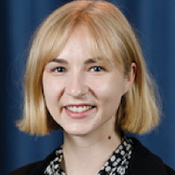
Dr. Loken is from Valencia, CA. She received her undergraduate degree in psychology at New York University. After working for an education nonprofit during a year with AmeriCorps, she completed her medical degree at UC Irvine. Her medical interests include health policy, integrated behavioral health, women’s health, LGBTQA+ affirmative care, correctional health, and integrative medicine. In her free time, she enjoys hiking, practicing yoga, thrifting and antiquing, trying new restaurants, enthusiastically summarizing a podcast she heard, and attending dance parties (planned or impromptu). She chose the University of Utah because she couldn’t pass up the opportunity to receive thorough, progressive medical training alongside supportive residents and faculty while having unrivaled access to nature.
 Family Medicine Vital Signs