by Misha Fotoohi, MD
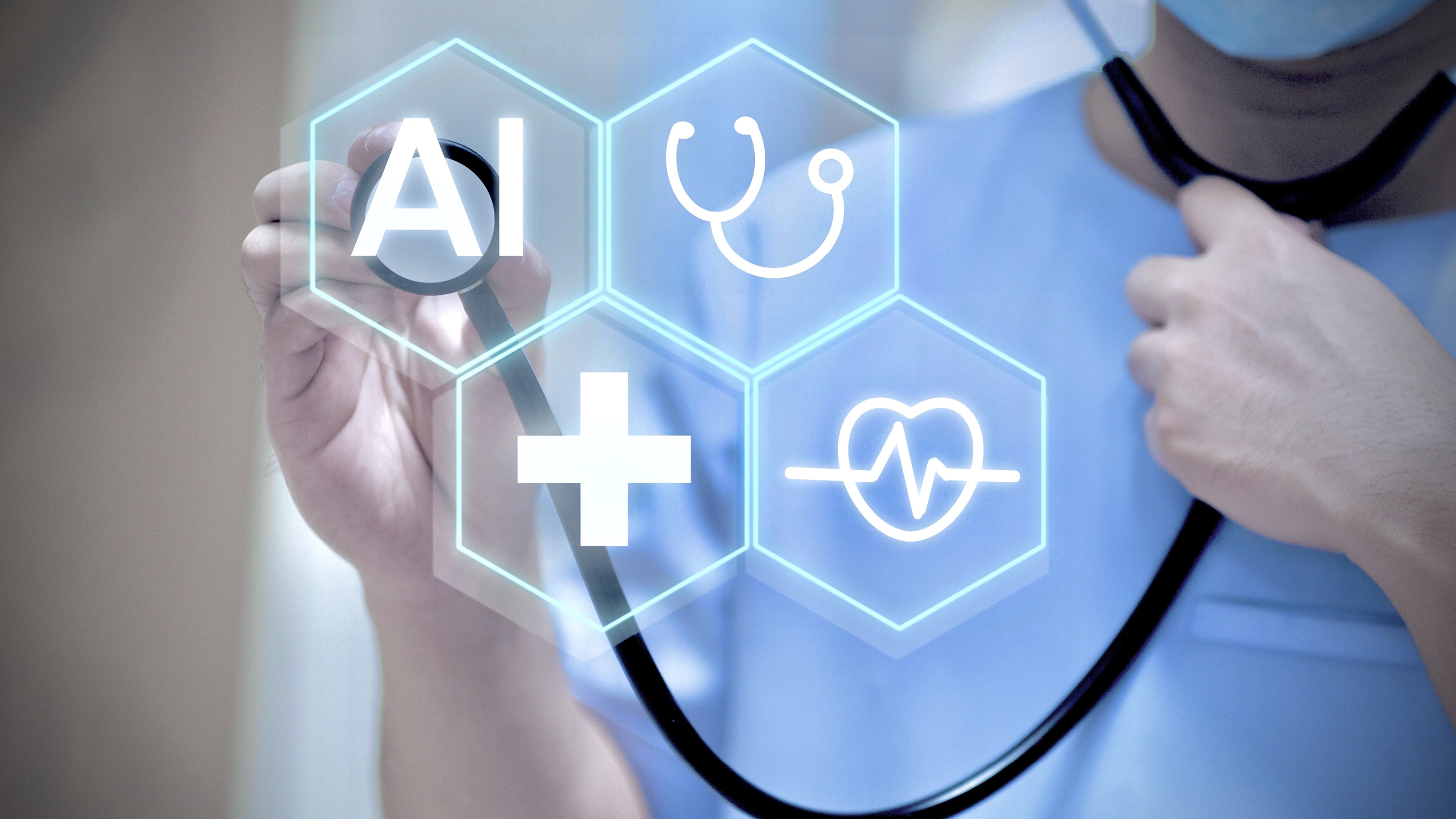
Burnout is a growing concern among healthcare professionals, particularly those in primary care. Factors such as heavy workloads, excessive administrative tasks, and the emotional toll that accompanies caring for our patients can contribute to this issue. With the advancement of artificial intelligence (AI), there is a rising interest—as well as some concerns—regarding its potential applications in healthcare, including Chat GPT. Chat GPT (a specific type of AI) is a language model that utilizes natural language processing to generate responses that resemble human communication. It is already being used in various areas, such as customer service chatbots and virtual assistants for appointment scheduling and task management. The idea behind using Chat GPT in healthcare is that it could potentially alleviate physicians’ workload and stress, thereby enhancing patient care quality and physician well-being.
Some suggest that AI holds the potential to revolutionize patient-provider interactions especially in the primary care setting. For instance, it can provide patients with personalized health information and recommendations, such as guidance on managing chronic conditions, answering simple medical questions, scheduling appointments, or making healthy lifestyle choices. Additionally, AI can facilitate communication between patients and healthcare providers which is especially relevant considering the increasing utilization (or misuse) of patient messaging systems (such as MyChart here at the U of U).
However, despite the exciting possibilities, there are challenges in the widespread adoption of AI in healthcare. Ensuring the accuracy and reliability of the technology and preventing the dissemination of incorrect or misleading information to patients is a significant hurdle. Another concern is addressing the comfort level of patients and healthcare providers in using chatbots and virtual assistants, ensuring that the interactions do not feel impersonal or lacking in empathy. Regardless of where you sit on this topic (I personally feel there is potential in utilizing this technology safely and responsibly), It is crucial to acknowledge that Chat GPT should not—and most likely will not—replace the vital human connection between physicians and patients. Afterall, that is why I went into medicine, particularly primary care. However, Chat GPT has the potential to transform patient-provider interactions and alleviate burnout among primary care physicians—especially resident physician—by reducing additional emotional and administrative burdens.
Misha Fotoohi was born and raised in Reno, Nevada. She attended the University of Nevada, Reno for her undergraduate studies while spending 4 years on their Division I Swimming & Diving Team. She attended medical school at UNR as well where she took interests in class leadership, teaching, and mentoring underrepresented students. Misha loves spending time outdoors with her dogs, Frances and Oswald, and casually enjoys hiking, skiing, and biking. She also enjoys many indoor activities including board games, puzzles, reading, and karaoke. Misha and her partner, Matt, couples matched in Utah; they were captivated with Salt Lake City, and they felt eager at the prospect of training with the people in their programs. She is interested in practicing full spectrum family medicine, being proficient at in-office procedures, and providing care for vulnerable populations (prison inmates, LGBTQ+, etc).
 Family Medicine Vital Signs