by Daniel Brandley, MD
As a new resident, I am often asked why I chose to specialize in Family Medicine. Typically, this question comes from pre-med or medical students. However, this question also comes from colleagues in other specialities, patients, and friends or family. I genuinely enjoy answering this question as it provides an opportunity to discuss what I believe are the most important parts of healthcare and wellness!
For me, selecting a medical specialty was challenging. Despite having spent a great deal of time working in various healthcare settings, discussions with numerous mentors and loved-ones, and extensive research of various specialties, I remained uncertain. I enjoyed working with children and adults. I found the various aspects of hospital, clinical, and procedural medicine intellectually stimulating and rewarding. I recognized personalities and cultures within various specialties were unique, but I did not necessarily resonate with one specific group over another. All of these considerations were important, but did not provide sufficient direction for this difficult decision.
As residency application submission approached, I seriously considered my values and goals. With a background in nutrition and public health, I had always been concerned with promoting healthy lifestyles and increasing wellness. During this time I was stationed at a large hospital caring for adults. I was extremely saddened working with these wonderful people who had severe and often preventable complications from chronic disease such as diabetes, lung disease, heart disease, and mental illness. Often these people had limited resources, education, and access to primary care. Their unnecessary suffering was inexcusable. I recalled how my initial goal in pursuing medicine had been to simply help all people be healthier. Through these experiences I was reminded clearly that the most effective way to achieve this goal was a vital but often undervalued and under-practiced part of healthcare: Prevention.
While all specialties are engaged in some form of preventive medicine, Family Medicine is uniquely positioned to promote and practice this essential element of healthcare. Prevention of disease transcends age or specific body systems. Prevention necessitates an understanding of complex multidisciplinary factors such as pathophysiology, socioeconomics, health behaviors, and access to healthcare. I chose Family Medicine training because it too transcends age and body systems, provides multidisciplinary education and experiences related to these important factors, and is ultimately best designed to help patients promote wellness and prevent disease. There are three reasons I believe this is true:
- Continuity of Care: Family medicine training focuses on caring for individuals of all ages throughout their lives. Over time, providers get to know patients’ specific lifestyle choices and socioeconomic context. These important relationships allow for long-term personalized treatment plans focused on addressing or preventing root causes of disease. This continuity also allows family medicine physicians to better engage in the behavior change process by coming to understand patients’ motivations and barriers, and employing motivational interviewing counseling and other techniques to help patients achieve their goals. This collaboration, personalization, and ongoing support and monitoring is optimal for helping patients sustain healthy lifestyles and prevent disease.
- Comprehensive Education & Training: Family medicine training is inherently broad and multidisciplinary. The resulting breadth of knowledge in diverse fields allows for optimal understanding regarding the intricate interplay between various disease processes and patients’ lifestyle behaviors, socioeconomic factors, and access to healthcare. Additionally, specific additional training in health regarding nutrition, physical activity, and stress management is often prioritized in family medicine residency programs. This allows for optimal counseling and treatment plans that prioritize comprehensive prevention and wellness. Subspecialists remain extremely important with admirable depth of knowledge, however family medicine providers often must synthesize this multisystem information to provide comprehensive preventative care.
- Collaboration & Coordination: Prevention is often interdisciplinary involving specialists in dietetics, exercise, psychology, social work, and care management. Family medicine providers are highly trained in coordinating care and directing diverse healthcare teams. Additionally, although primary prevention is preferred, secondary and tertiary prevention are also vital. Family medicine providers are positioned to lead the Patient Centered Medical Home, working as a team with multiple physicians from various specialties and subspecialties to provide personalized care.
All medical specialties are important for our healthcare system and provide effective training programs for resident physicians. I am often reminded that I would likely be happy and find satisfaction in a variety of specialties. However, I have come to believe that preventing suffering and promoting wellness are healthcare’s most important goals. After all, even the best treatments are not as good as avoiding disease in the first place. I am grateful to be engaged in a training program uniquely positioned to prioritize these goals. I continue to resonate with Family Medicine’s mission to improve the health of all patients, families, and communities by providing healthcare that is longitudinal, comprehensive, and collaborative. I enjoy working with patients to assist them in making informed decisions that promote wellness and prevent disease. Although I have much to learn and years of training ahead, I look forward to the future as we all work together to help all people live healthier and happier lives.
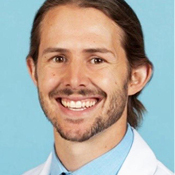
Dr. Brandley is from West Point, Utah. He completed an undergraduate degree in nutrition at Utah State University and Master of Public Health and medical degree at the University of Utah. His medical interests include lifestyle and preventive medicine, population wellness, sports medicine, biomedical informatics and technology, and medical education. He enjoys spending time with family and friends, playing sports such as soccer and spike ball, recreating outdoors, watching movies, seeing musicals and shows, and listening to audiobooks. He chose the University of Utah because of the impressive network of medical expertise and resources, opportunities for further training, and proximity to family and beautiful outdoors.
 Family Medicine Vital Signs